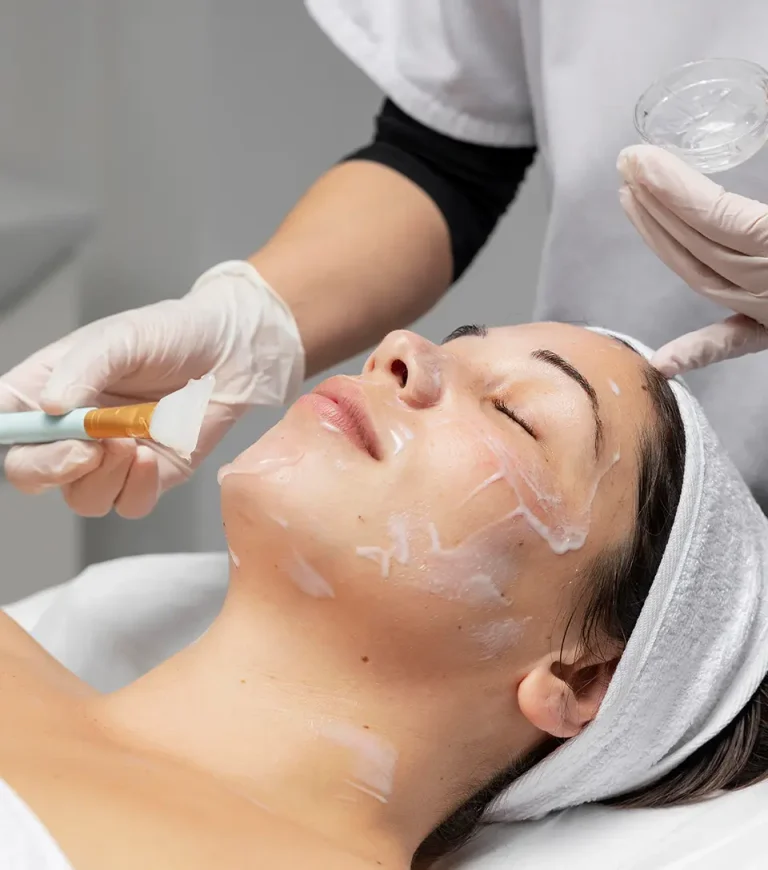
Chemical Peel Treatment Mistakes: What to Avoid for Optimal Results

Chemical peel treatments can dramatically improve skin texture, tone, and clarity. However, achieving the best results hinges on avoiding common errors. Understanding what can go wrong, and how to prevent it, is crucial for a successful outcome.
Key points
- Always choose a qualified and experienced professional for chemical peel treatments.
- Select a peel strength appropriate for your skin type and concerns.
- Adhere strictly to pre-treatment preparation instructions.
- Practice diligent post-treatment care, especially sun protection.
- Maintain realistic expectations regarding the outcomes of chemical peels.
- Consider complementary treatments like Custom Facials or LED Light Therapy to enhance results, under professional guidance.
Choosing the Wrong Peel Strength
One of the most significant mistakes is selecting a chemical peel strength that doesn’t align with your skin type, concerns, or tolerance. Peels are categorized by depth: superficial, medium, and deep. A superficial peel, using milder acids like alpha-hydroxy acids (AHAs) or beta-hydroxy acids (BHAs), addresses the outermost layer of skin. These are suitable for minor imperfections like dullness or light acne scarring. A medium-depth peel penetrates further, targeting more significant issues such as moderate wrinkles, acne scars, and sun damage. Deep peels, using stronger agents like phenol, reach the deeper layers of the dermis and are reserved for severe sun damage, deep wrinkles, and precancerous growths. Using a peel that is too strong for your skin can lead to prolonged redness, hyperpigmentation, scarring, and infection. Conversely, a peel that is too weak may not yield the desired results, leading to disappointment and wasted resources.
Inadequate Pre-Treatment Preparation
Proper preparation is key to maximizing the effectiveness of a chemical peel and minimizing adverse reactions. Many individuals overlook or rush this critical phase. Your skincare professional will likely recommend a pre-treatment regimen, which might include using specific skincare products for several weeks prior. This can involve retinoids to increase cell turnover or hydroquinone to prevent post-inflammatory hyperpigmentation. Failing to follow these instructions can compromise the peel’s outcome. For instance, not preparing the skin might make it more susceptible to irritation or uneven peeling. It’s also important to inform your provider about any medications you’re taking, especially those that can increase sun sensitivity, and any history of cold sores, as these can influence treatment protocols.
Poor Post-Treatment Care
The period following a chemical peel is as vital as the treatment itself. Neglecting aftercare can undo the benefits of the procedure and lead to complications. Immediately after a peel, your skin will be sensitive and vulnerable. Avoiding sun exposure is paramount; diligent use of broad-spectrum sunscreen with a high SPF is non-negotiable. Skipping sunscreen can result in severe sunburn and permanent hyperpigmentation. Furthermore, refraining from using harsh skincare products, exfoliants, or picking at peeling skin is essential. Gentle cleansing and moisturizing are recommended to support the healing process. Resuming your regular skincare routine too quickly can cause irritation and hinder recovery. Patience during the healing phase ensures the best long-term results.
Unrealistic Expectations
Setting achievable goals is a common challenge for many seeking cosmetic treatments. Chemical peels offer significant improvements, but they are not a magic bullet for every skin concern. Some individuals expect a complete transformation overnight, which is unrealistic. The results of a chemical peel depend on factors like the type of peel, the number of treatments, your skin’s individual response, and the severity of the initial concern. Superficial peels may require multiple sessions to achieve noticeable changes, while deeper peels offer more dramatic results but involve longer recovery times. Discussing your expectations thoroughly with a qualified provider is essential. They can explain what results are realistically attainable for your specific skin type and concerns, and how many treatments might be necessary. Sometimes, complementary treatments like Custom Facials or LED Light Therapy can enhance the outcomes of a chemical peel.
Choosing an Unqualified Provider
Perhaps the most critical mistake is selecting a provider who lacks the necessary qualifications or experience. Chemical peels involve the application of potent acids to the skin, and improper application can lead to serious damage. It is imperative to seek treatment from a licensed and experienced professional, such as a dermatologist or a highly trained aesthetician working under medical supervision. When researching providers, look for their credentials, training in performing chemical peels, and reviews from previous clients. A good provider will conduct a thorough skin assessment, discuss your medical history, explain the procedure in detail, outline potential risks and benefits, and provide clear post-treatment instructions. Opting for a cheaper, less experienced provider can be a costly mistake in the long run, potentially leading to permanent skin damage.
See our Chemical Peel Treatment page for how Beyondbeautyscarsdale can help.
Common questions
What is the biggest mistake people make with chemical peels?
The biggest mistake people make with chemical peels is choosing an unqualified provider, which can lead to serious skin damage and complications. Other common errors include selecting the wrong peel strength for their skin type, inadequate pre-treatment preparation, poor post-treatment care, and having unrealistic expectations about the results.
Can a chemical peel be too strong for my skin?
Yes, a chemical peel can be too strong for your skin, especially if the peel’s depth or acid concentration is not appropriate for your skin type, sensitivity, or the specific concern being treated. Using a peel that is too potent can result in excessive redness, burning, blistering, scarring, and long-lasting hyperpigmentation.
How long does recovery take after a chemical peel?
Recovery time after a chemical peel varies significantly depending on the depth of the peel. Superficial peels typically have minimal downtime, with some redness and mild flaking lasting a few days. Medium-depth peels may require one to two weeks for recovery, involving more noticeable peeling and redness. Deep peels have the longest recovery period, often taking several weeks to months for the skin to fully heal, with significant swelling and redness initially.
Is sun exposure really that bad after a chemical peel?
Yes, sun exposure is extremely detrimental after a chemical peel. Your skin is highly sensitive and vulnerable to UV damage during the healing process. Exposure to the sun without adequate protection can cause severe sunburn, trigger post-inflammatory hyperpigmentation (dark spots), and even lead to scarring, potentially reversing the benefits of the peel.
Can I combine chemical peels with other treatments like LED Light Therapy?
Yes, chemical peels can often be effectively combined with other treatments such as LED Light Therapy. LED Light Therapy can aid in the healing process, reduce inflammation, and promote skin rejuvenation post-peel. However, it’s crucial to discuss any combination treatments with your skincare professional to ensure they are appropriate for your specific skin condition and to time them correctly to avoid irritation or adverse reactions.