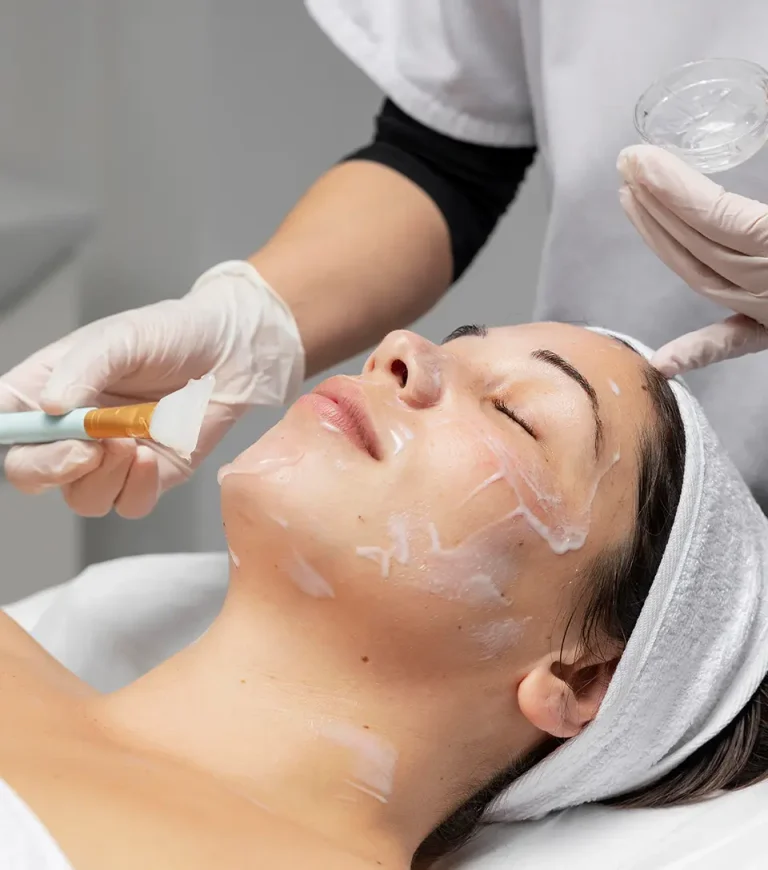
Chemical Peel Treatment: Key Questions for Choosing Your Provider

A Chemical Peel Treatment can offer significant improvements for various skin concerns, from acne scarring to uneven tone and texture. However, the effectiveness and safety of the procedure depend heavily on the skill and knowledge of the provider. Before committing to a treatment, asking the right questions is crucial to ensure you are in capable hands and that the chosen peel aligns with your specific skin goals.
Key points
- Thoroughly vet provider qualifications and experience in chemical peels.
- Understand the specific type of peel recommended and why.
- Discuss expected results, downtime, and aftercare in detail.
- Inquire about safety protocols and potential risks.
- Clarify the follow-up process and how concerns will be addressed.
Understanding Your Skin and the Peel
A qualified provider will begin by thoroughly assessing your skin type, concerns, and medical history. This initial consultation is not just a formality; it’s the foundation for a successful treatment. Don’t hesitate to ask about their approach to this assessment. Inquire about the specific type of chemical peel they recommend for your concerns. Peels vary in strength and composition, ranging from superficial to deep. Understanding why a particular peel is suggested—whether it’s an alpha-hydroxy acid (AHA) peel for mild exfoliation or a trichloroacetic acid (TCA) peel for more significant concerns—is vital. A good provider will explain the mechanism of action for the recommended peel and how it targets your specific issues, whether that’s fine lines, hyperpigmentation, or acne.
Provider Qualifications and Experience
When selecting a provider for a Chemical Peel Treatment, their credentials and experience are paramount. Ask about their training and certification specifically in performing chemical peels and other advanced skincare procedures. Inquire about how long they have been performing these treatments and the volume of procedures they conduct. Understanding their experience with your specific skin type or concern can offer reassurance. Some providers may also offer complementary treatments, such as Custom Facials or LED Light Therapy, which can enhance peel results or aid in recovery. Understanding their broader expertise can be beneficial.
The Treatment Process and What to Expect
A clear explanation of the chemical peel procedure itself is essential. Ask about the steps involved, from skin preparation to the application of the peel and any post-treatment neutralisation. Crucially, discuss the expected recovery process. This includes understanding the typical downtime, potential side effects such as redness, peeling, or sensitivity, and how long these might last. A reputable provider will offer detailed aftercare instructions, covering appropriate cleansing, moisturizing, and sun protection, which are critical for optimal healing and preventing complications. They should also inform you about any specific products to avoid during the recovery period. Knowing what to anticipate helps manage expectations and ensures you are prepared for the healing phase.
Safety Protocols and Potential Risks
Safety should always be the top priority. Ask about the safety protocols in place during the Chemical Peel Treatment. This includes hygiene standards, the use of sterile equipment, and emergency procedures. Discuss the potential risks associated with the specific peel being recommended. While generally safe when performed by a qualified professional, chemical peels can carry risks, including scarring, infection, or changes in skin pigmentation, particularly if not administered correctly or if aftercare instructions are not followed. A thorough discussion of these risks, along with how the provider mitigates them, is a sign of a responsible practitioner.
Results and Follow-Up
Understanding the potential outcomes of a Chemical Peel Treatment is key. Ask about the typical results clients achieve and the number of sessions generally required to see desired improvements. Providers should be able to share examples of results or discuss realistic expectations based on your individual situation. Inquire about the follow-up process. Will there be a check-in appointment to monitor your skin’s progress? What is their policy if you experience unexpected side effects or are unhappy with the results? A provider committed to your long-term skin health will outline a clear plan for monitoring your progress and addressing any concerns that may arise post-treatment.
Common questions
What should I ask about the provider’s qualifications for a chemical peel?
You should ask about their specific training and certification in performing chemical peels and other advanced aesthetic procedures, as well as their years of experience and the volume of peels they perform.
What details should I inquire about regarding the chemical peel itself?
Inquire about the specific type of peel recommended for your skin, why it’s the best choice for your concerns, how it works, and what ingredients it contains.
What information should I expect regarding the recovery process?
You should expect a detailed explanation of the expected downtime, potential side effects like redness or peeling, how long these will last, and crucial aftercare instructions for healing and sun protection.
How can I gauge the provider’s commitment to safety?
Ask about their safety protocols, hygiene standards, and emergency procedures, and discuss the potential risks of the peel and how they are managed.
What questions should I ask about the expected results and follow-up?
Ask about the typical results clients achieve, how many sessions are usually needed, and what the follow-up process entails, including check-in appointments and their policy for addressing concerns or complications.