Preparing for Chemical Peel Treatment: A Comprehensive Guide for Optimal Results

Embarking on a chemical peel treatment can significantly revitalize your skin, addressing concerns from acne scars to fine lines. To ensure you achieve the best possible outcome and a smooth recovery, thorough preparation is essential. This guide outlines the key steps to take before your treatment for optimal results.
Key points
- Consultation is key to determining suitability and setting expectations for chemical peel treatment.
- Adjust your skincare routine by avoiding certain active ingredients and minimizing sun exposure before the peel.
- Inform your provider about all medications and health conditions, especially those affecting skin sensitivity.
- Follow post-treatment care instructions diligently for optimal healing and results.
- Be patient with the recovery process, as final results appear after the skin has fully renewed.
Understanding Your Skin and Treatment Goals
Before any treatment, a consultation is vital. During this session, a skincare professional will assess your skin type, discuss your specific concerns, and determine if a chemical peel is the right approach for you. They will explain the different types of peels available, such as superficial, medium, and deep peels, and recommend the most suitable option based on your skin’s condition and desired outcomes. Understanding the potential benefits, like improved texture, reduced hyperpigmentation, and a brighter complexion, alongside any risks or downtime, is crucial for setting realistic expectations.
Pre-Treatment Skincare Routine Adjustments
Your skincare routine in the weeks leading up to a chemical peel is critical. Generally, you’ll be advised to avoid certain products and practices that could make your skin more sensitive or interfere with the peel. This often includes discontinuing the use of retinoids, topical antibiotics, and exfoliating acids for a specified period, typically one to two weeks prior. Sun exposure should be minimized, and diligent sunscreen use is paramount. Your provider might also recommend specific pre-conditioning agents to prepare your skin for the peeling process.
Medications and Health Considerations
It’s imperative to inform your skincare professional about all medications and supplements you are taking. Certain oral medications, particularly those that increase photosensitivity like isotretinoin (Accutane), must be stopped well in advance of a chemical peel. If you have a history of cold sores, your provider may prescribe antiviral medication to prevent an outbreak. Any active skin infections, open wounds, or recent procedures like waxing or laser treatments in the treatment area should also be disclosed, as these can impact the safety and efficacy of the peel.
What to Expect on Treatment Day
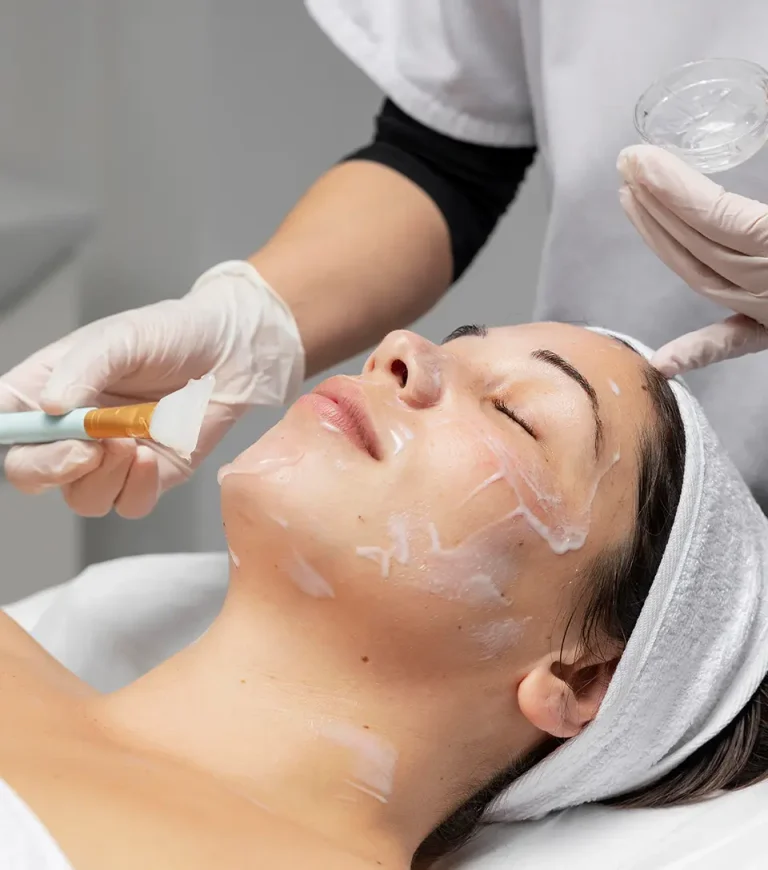
On the day of your chemical peel treatment, your skin should be clean and free of makeup or lotions. The procedure itself usually involves applying a chemical solution to the skin, which then exfoliates the outer layers. You may feel a warming or tingling sensation during application. The duration of the peel varies depending on its depth. After the solution is neutralized or removed, your skin will likely appear red and feel sensitive, similar to a sunburn. Post-peel instructions will be provided, guiding you on how to care for your skin during the healing phase.
Post-Treatment Care and Recovery
Proper aftercare is just as important as preparation for a chemical peel. Following your provider’s instructions diligently will help ensure optimal healing and results. This typically involves gentle cleansing, applying prescribed ointments or moisturizers, and strictly avoiding sun exposure. Peeling and flaking are common as the skin renews itself, and it’s crucial not to pick or peel at the skin. Patience is key, as the full benefits of the chemical peel treatment often become apparent after the healing process is complete and new, healthier skin emerges.
See our Chemical Peel Treatment page for how Beyondbeautyscarsdale can help.
Common questions
How far in advance should I stop using retinoids before a chemical peel?
You should typically stop using retinoids and other exfoliating acids at least one to two weeks before your chemical peel treatment, but always follow your provider’s specific instructions.
Can I get a chemical peel if I have sensitive skin?
Yes, chemical peels can often be tailored for sensitive skin. Your provider will assess your skin and may opt for a gentler, superficial peel or adjust the treatment plan.
What should I do if my skin feels very tight after a chemical peel?
A feeling of tightness is common. Continue to apply recommended moisturizers and avoid stretching or irritating the skin. If the tightness is severe or accompanied by pain, contact your provider.
How long does it take to see the final results of a chemical peel?
Initial results are often visible once the peeling process is complete, typically within one to two weeks. However, significant improvements in skin tone, texture, and clarity may continue to emerge over several weeks or months as collagen remodels.
Is chemical peel treatment suitable for all skin types?
Chemical peels can be beneficial for various skin types, but the type and strength of the peel must be carefully chosen by a professional to match your specific skin tone and concerns, minimizing risks like post-inflammatory hyperpigmentation.