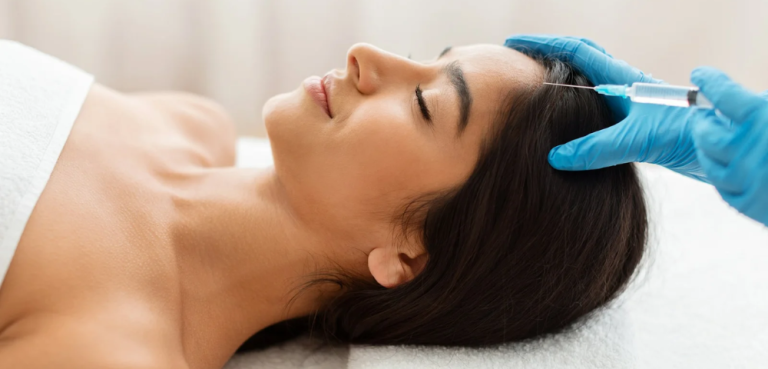
Chemical peel treatments offer a way to refresh and rejuvenate your skin, addressing concerns like acne, hyperpigmentation, and fine lines. The final price for a chemical peel can vary significantly, influenced by several key elements. Understanding these factors will help you anticipate costs and choose the treatment that best fits your needs and budget.
Key points
- Chemical peel costs depend on peel depth, ingredients, provider expertise, and location.
- Superficial peels are generally less expensive than medium or deep peels.
- The qualifications of the skincare professional significantly impact treatment price.
- Combining peels with PRP Treatment or LED Light Therapy will increase the total cost.
- Always clarify consultation fees and what is included in the treatment price.
Depth of the Peel and Its Impact on Cost
The most significant factor affecting the cost of a chemical peel is its depth. Peels are generally categorized into superficial, medium, and deep. Superficial peels, which work on the outermost layer of skin, are typically the most affordable. They require less intensive solutions and have a shorter recovery time. Medium-depth peels penetrate a bit further, addressing more pronounced concerns like moderate wrinkles and uneven skin tone. These treatments naturally command a higher price due to the stronger agents used and the increased expertise required. Deep chemical peels, reserved for significant sun damage, deep wrinkles, and precancerous growths, are the most expensive. They involve potent chemicals and require extensive post-treatment care and a longer recovery period, reflecting the complexity and intensity of the procedure.
Ingredients and Formulation
The specific acids and compounds used in a chemical peel also play a role in its overall cost. Peels often contain ingredients like salicylic acid, glycolic acid, or trichloroacetic acid (TCA), each with varying price points depending on their concentration and quality. Some formulations might include newer or more specialized ingredients designed for specific skin conditions, which can increase the price. The complexity of the blend, the research and development behind it, and the sourcing of high-quality components all contribute to the final cost of the treatment.
Provider Expertise and Clinic Reputation
The qualifications and experience of the professional performing your chemical peel treatment are critical considerations. Treatments administered by board-certified dermatologists or highly experienced aestheticians in reputable clinics often come with a higher price tag. This is because these professionals have extensive training, a deep understanding of skin anatomy and physiology, and a proven track record of safe and effective results. Their expertise minimizes risks and maximizes the efficacy of the peel. The reputation of the clinic itself, including its facility, equipment, and overall patient care standards, also influences pricing.
Geographic Location
Where you receive your chemical peel treatment can impact the cost. Services in major metropolitan areas or regions with a higher cost of living tend to be more expensive than those in smaller towns or less affluent areas. This difference reflects the overhead costs associated with operating a business in different locations, including rent, staff salaries, and local market demand for cosmetic procedures.
Additional Treatments and Packages
The total cost can also increase if a chemical peel is part of a larger treatment plan. For instance, combining a chemical peel with other rejuvenating therapies can enhance results but will add to the overall expense. Some facilities offer packages that bundle multiple treatments, such as a chemical peel followed by LED Light Therapy or Platelet-Rich Plasma (PRP) Treatment. While these packages might offer a slight discount compared to booking each service individually, they represent a greater initial investment. LED Treatment, for example, can be an excellent complement to a peel, aiding in healing and further skin improvement.
Consultations and Follow-Up Care
Before undergoing a chemical peel, a thorough consultation is essential. This initial meeting allows the provider to assess your skin, discuss your goals, and recommend the most suitable peel. While some providers may offer complimentary consultations, others charge a fee, which may or may not be applied to your treatment if you proceed. Post-treatment care instructions and any necessary follow-up appointments are also part of the overall service, though these are often included in the initial treatment price.
Common questions
What factors influence the cost of a chemical peel?
The cost of a chemical peel is primarily determined by its depth (superficial, medium, or deep), the specific ingredients and formulation used, the expertise and reputation of the provider and clinic, and the geographic location. Additional treatments bundled with the peel can also affect the total price.
Are deeper chemical peels more expensive?
Yes, deeper chemical peels are generally more expensive than superficial or medium peels. This is due to the use of more potent chemical agents, the increased skill and precision required from the provider, and the more intensive post-treatment care and longer recovery period involved.
Can combining treatments like PRP or LED Therapy increase the cost?
Combining a chemical peel with other therapies such as PRP Treatment or LED Light Therapy will increase the overall cost, as you are paying for multiple services. However, some clinics may offer package deals that bundle these treatments, potentially offering a cost saving compared to booking them separately.
Is a consultation included in the price of a chemical peel?
This varies by provider. Some offer free initial consultations, while others may charge a fee for the consultation, which is sometimes credited towards the treatment cost if you decide to proceed. It is best to inquire about the consultation policy when booking your appointment.