Choosing the Right PRP Treatment Provider: A Guide for Optimal Results

Platelet-rich plasma (PRP) therapy has gained significant traction for its ability to harness the body’s natural healing power to rejuvenate skin. Whether you’re seeking to address fine lines, improve skin texture, or encourage collagen production, the success of your PRP treatment largely hinges on the expertise of your provider. Choosing the right professional is a critical step in your journey towards achieving optimal results.
Key points
- Prioritize medical qualifications and specialized training in PRP therapy.
- A comprehensive consultation is crucial for assessing suitability and setting expectations.
- Inquire about the specific technology and techniques used for optimal PRP concentration and delivery.
- Review before-and-after photos and testimonials to gauge provider experience and patient satisfaction.
- Understand the full treatment process, including aftercare instructions, for best results.
Understanding the Provider’s Qualifications and Experience
When considering a PRP treatment provider, it is essential to look beyond the marketing. Focus first on their medical background. Are they a licensed physician, a registered nurse, or another qualified healthcare professional with specific training in aesthetic procedures and regenerative medicine? Verifying their credentials ensures they have the necessary anatomical and physiological knowledge to perform the treatment safely and effectively. Inquire about the extent of their experience specifically with PRP treatments. Ask how long they have been offering this service and how many treatments they perform regularly. A seasoned provider will have a deeper understanding of patient outcomes and potential challenges, allowing them to tailor the approach to your unique needs. Do not hesitate to ask about their specific training in PRP preparation and administration techniques, as these can vary and impact efficacy.
The Importance of a Thorough Consultation
A comprehensive consultation is a non-negotiable first step. This is your opportunity to discuss your skin concerns, aesthetic goals, and medical history. A reputable provider will dedicate ample time to understanding your needs. They should perform a detailed assessment of your skin, explaining how PRP therapy can specifically benefit you and what results you might realistically expect. During the consultation, they should clearly outline the procedure, including the preparation of the PRP, the application process, and any potential side effects or downtime. They should also be prepared to answer all your questions thoroughly. Beware of providers who rush this process or make guarantees about results without a proper assessment. This initial meeting is also a chance for you to gauge their communication style and whether you feel comfortable and confident in their expertise.
Assessing the Technology and Techniques Used
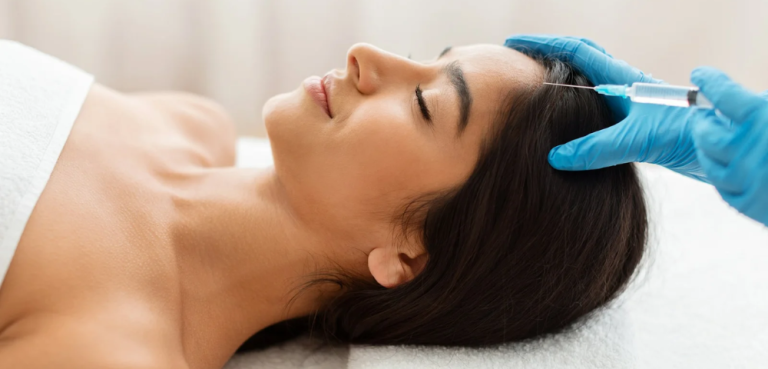
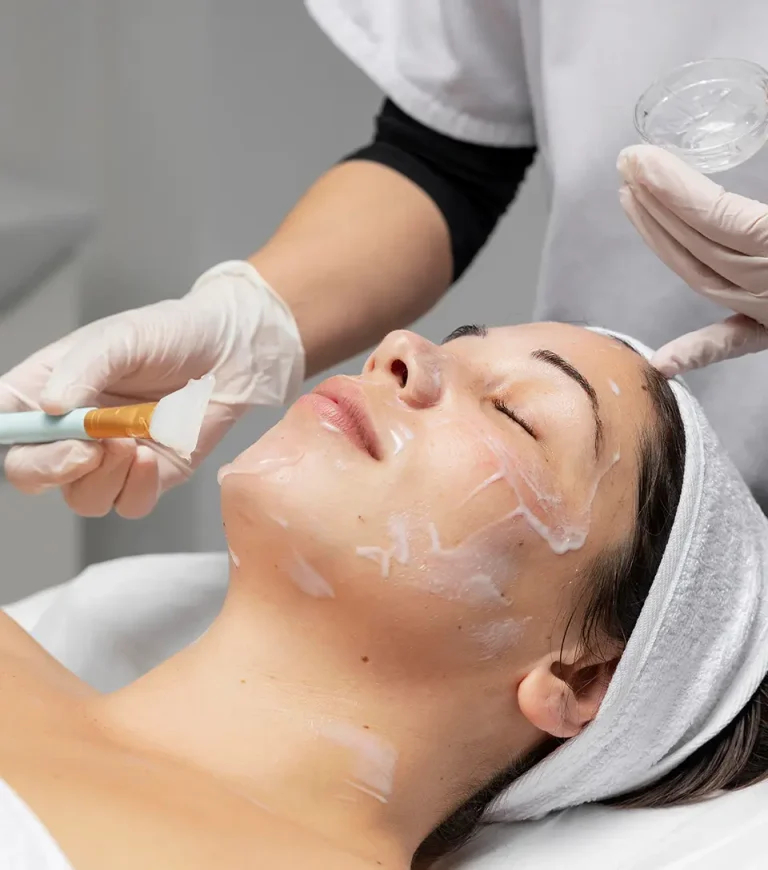
The quality of the equipment used in PRP treatment can significantly influence the outcome. Ask about the centrifuge used to process your blood. Different centrifuges have varying speeds and settings, which can affect the concentration of platelets in the final PRP. A higher concentration of platelets generally leads to more effective results. Furthermore, inquire about the techniques employed for administering the PRP. Some providers may use simple injections, while others might combine PRP with microneedling devices, such as Rejuvapen, or apply it topically after a procedure like a HydroFacial or Chemical Peel Treatment. Understanding their approach helps you appreciate the customization involved. While services like Custom Facials and LED Light Therapy are different modalities, some providers may integrate them into a broader rejuvenation plan, which can be discussed during your consultation.
Reviewing Before-and-After Photos and Testimonials
Visual evidence can be a powerful indicator of a provider’s skill and the typical results achieved by their patients. Request to see before-and-after photos of clients who have undergone PRP treatments for similar concerns to yours. Examine the consistency and quality of the improvements shown. Remember that individual results can vary, but a provider with a strong portfolio will demonstrate a track record of successful outcomes. Additionally, seek out patient testimonials or reviews. While online reviews can be helpful, consider them in conjunction with the before-and-after photos. Look for consistent feedback regarding patient satisfaction, the provider’s professionalism, and the overall treatment experience. A provider who openly shares their results and has positive feedback from previous clients builds trust and confidence.
Understanding the Treatment Process and Aftercare
A thorough understanding of the entire PRP treatment process, from preparation to aftercare, is vital. Your provider should clearly explain how your blood will be drawn, processed, and then applied to your skin. They should also provide detailed post-treatment instructions. Proper aftercare is crucial for healing and maximizing the benefits of the PRP. This may include specific skincare recommendations, sun protection advice, and information on activities to avoid for a short period. A provider who invests in educating their patients about the entire journey, including what to expect during the healing phase and how to maintain results, demonstrates a commitment to your well-being and satisfaction. Don’t hesitate to ask about the number of sessions typically recommended for your specific goals and the recommended intervals between treatments.
Common questions
What should I look for in a PRP Treatment provider?
When choosing a PRP Treatment provider, look for licensed medical professionals with specific training in aesthetic and regenerative procedures, a solid track record of experience with PRP, and a thorough consultation process. Reviewing before-and-after photos and testimonials can also offer insight into their capabilities and patient satisfaction.
Is a consultation necessary before PRP treatment?
Yes, a consultation is essential before any PRP treatment. It allows the provider to assess your skin, discuss your goals and medical history, explain the procedure and expected results, and answer any questions you may have, ensuring the treatment is suitable and tailored to you.
Can other treatments be combined with PRP?
Yes, other treatments can often be combined with PRP for enhanced results. Providers may integrate PRP with microneedling, or use it following procedures like a Chemical Peel Treatment or HydroFacial. LED Light Therapy and Custom Facials might also be part of a comprehensive rejuvenation plan.
How important is the technology used in PRP treatment?
The technology used is important because the type of centrifuge can affect platelet concentration, influencing treatment efficacy. The method of PRP administration, whether injections or combined with other devices, also plays a role in the overall outcome.