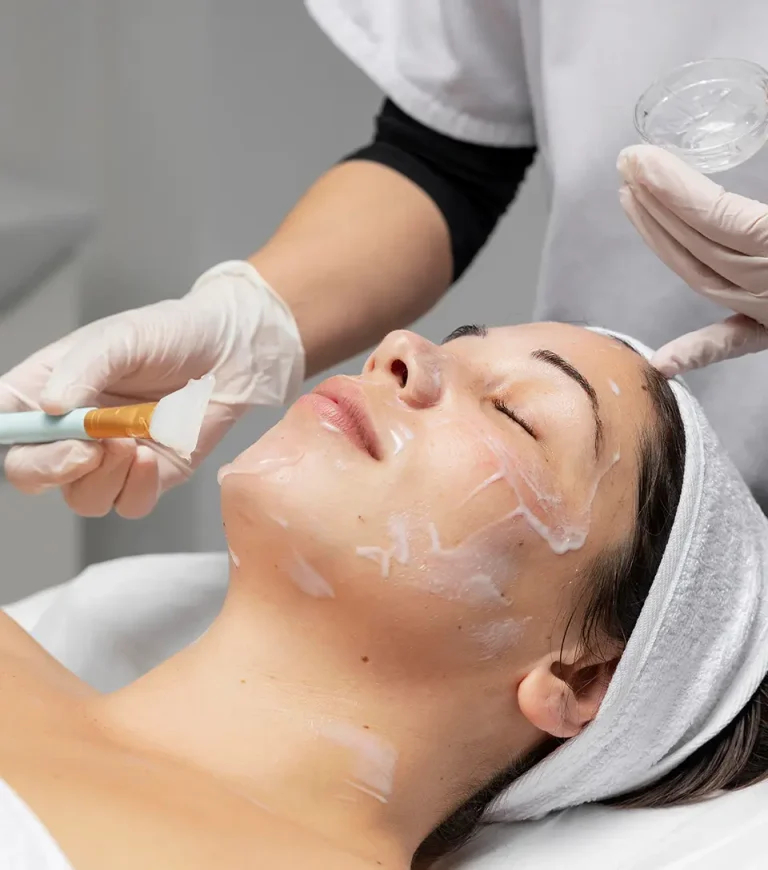
When to Consider Chemical Peel Treatment for Noticeable Skin Improvements

Chemical peel treatments offer a way to refresh your skin’s appearance by removing damaged outer layers. When considering this popular cosmetic procedure, understanding which skin concerns it best addresses and when it represents a valuable investment in your skin’s health is key. This guide explores the situations where a chemical peel can yield the most significant and satisfying results.
Key points
- Chemical peels are beneficial for correcting acne scars, sun damage, and uneven pigmentation.
- They effectively reduce the appearance of fine lines and wrinkles and improve overall skin texture.
- The recovery period for a chemical peel depends on its depth, ranging from a few days to several weeks.
- Consider chemical peels when seeking more profound skin renewal than standard facials can provide.
- Consultations are important to determine the right peel and discuss complementary treatments like PRP or LED therapy.
Addressing Specific Skin Concerns with Chemical Peels
Chemical peels are versatile treatments that target a range of aesthetic issues. They are particularly effective for improving the texture and tone of the skin. For individuals struggling with acne scars, a series of peels can help to break down the uneven pigment and scar tissue, leading to a smoother complexion. Sun damage, often manifesting as dark spots, uneven pigmentation, and a generally dull appearance, can also be significantly improved. The controlled exfoliation process helps to shed the damaged cells and reveal fresher skin underneath. Fine lines and wrinkles, especially those around the eyes and mouth, can also be softened. While deeper wrinkles may require other interventions, superficial and moderate wrinkles often respond well to the regenerative effects of a peel. Furthermore, chemical peels can help to unclog pores, reducing the frequency and severity of breakouts for those prone to acne. Over time, they can contribute to a more refined pore appearance.
The Process and What to Expect
A chemical peel involves applying a solution to the skin, which causes it to exfoliate and eventually peel off. The depth of the peel determines its intensity and the downtime required. Superficial peels affect only the outermost layer of the skin and typically involve minimal discomfort and a short recovery period. Medium-depth peels penetrate further, addressing more significant concerns like moderate wrinkles and acne scars, but require a longer recovery. Deep peels reach the lowest layers of the dermis and are reserved for more severe damage, such as deep wrinkles or precancerous growths, necessitating a more substantial recovery period. Before the procedure, a consultation is essential to determine the most appropriate peel type for your skin and desired outcomes. Post-peel care is crucial for optimal healing and results, and may include specific cleansers, moisturizers, and sun protection.
When a Chemical Peel is a Worthwhile Investment
The value of a chemical peel treatment often lies in its ability to deliver visible improvements that might be difficult to achieve with at-home skincare alone. If you are seeking to correct persistent sun spots, reduce the appearance of mild scarring from acne, or smooth out fine lines that make your skin appear older, a peel can offer a significant enhancement. For those whose skin texture feels rough or looks dull due to dead skin cell buildup, a peel provides a thorough exfoliation. It’s also a good option when you desire a brighter, more even complexion. While treatments like custom facials or HydroFacial can offer immediate refreshment, chemical peels provide a more profound level of skin renewal by actively shedding damaged layers. When considering other advanced treatments, such as PRP Treatment or LED Light Therapy, a chemical peel can sometimes be a complementary step, preparing the skin to better absorb and respond to subsequent therapies, thus maximizing the overall benefit.
Considering Alternatives and Complementary Treatments
While chemical peels are highly effective for exfoliation and renewal, they are not the only solution for skin rejuvenation. For mild surface concerns or for those who prefer a gentler approach, custom facials can provide a refreshing boost and address immediate hydration needs. HydroFacial treatments offer a multi-step process that cleanses, exfoliates, and hydrates the skin using a special vortex-suction device, providing immediate radiance. For deeper concerns or to harness the body’s natural healing, PRP Treatment utilizes growth factors from your own blood to stimulate collagen production and tissue repair. LED Light Therapy uses specific wavelengths of light to address issues like acne, inflammation, and signs of aging, often used in conjunction with other treatments. Microneedling, sometimes combined with PRP, creates micro-injuries to stimulate collagen and can effectively treat scars and texture issues. The decision often involves weighing the specific concerns against the potential benefits, downtime, and cost of each modality. Consultations are vital to understanding how these different treatments might fit into a comprehensive skincare regimen.
Common questions
What skin problems do chemical peels help with?
Chemical peels are effective for improving concerns such as acne scars, sun damage, uneven skin tone, dullness, fine lines, and wrinkles.
How long does it take to recover from a chemical peel?
Recovery time varies depending on the depth of the peel; superficial peels may require a few days, while deeper peels can take several weeks for full healing.
Can I combine chemical peels with other treatments?
Yes, chemical peels can often be combined with treatments like PRP Treatment or LED Light Therapy, but it is essential to consult with a professional to ensure proper sequencing and safety.
Are chemical peels suitable for all skin types?
Chemical peels can be adapted for various skin types, but the type and strength of the peel must be carefully selected by a qualified practitioner to avoid adverse reactions.