Understanding PRP Treatment: What It Is and How It Works for Skin Rejuvenation

Platelet-rich plasma (PRP) treatment has emerged as a popular option for those seeking to rejuvenate their skin using natural methods. This therapy harnesses the healing power of your own blood to stimulate collagen production and improve skin quality. Unlike some treatments that introduce foreign substances, PRP utilizes components already present in your body, offering a unique approach to skin renewal.
Key points
- PRP treatment uses your body’s own platelets to stimulate skin healing and collagen production.
- The process involves drawing blood, concentrating platelets, and injecting them into targeted skin areas.
- Benefits include reduced wrinkles, improved texture, scar reduction, and enhanced skin tone.
- It is a safe option for many due to the use of autologous blood.
- PRP can be a powerful standalone treatment or complement other skin rejuvenation therapies.
What Exactly is Platelet-Rich Plasma?
Platelet-rich plasma, or PRP, is a concentration of platelets derived from a patient’s own blood. Platelets are small, disc-shaped cells that play a crucial role in blood clotting and wound healing. They contain a wealth of growth factors and proteins that, when released, can signal cells to repair and regenerate tissue. In the context of skin treatments, these growth factors are key to stimulating the production of collagen and elastin, essential proteins that give skin its structure, firmness, and elasticity.
The PRP Treatment Process: Step-by-Step
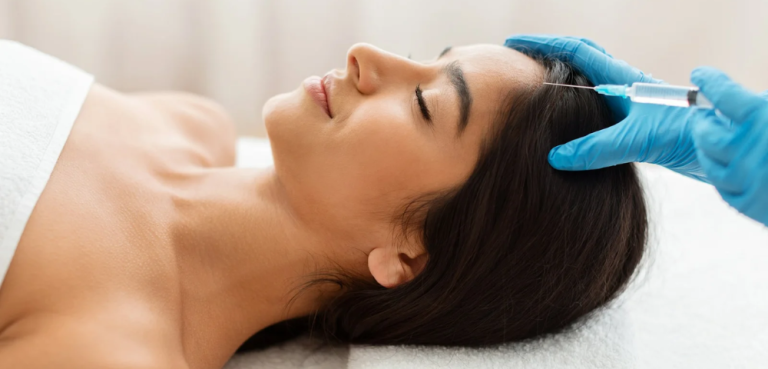
The journey to smoother, more radiant skin with PRP treatment typically begins with a consultation to assess your specific needs and determine if it’s the right approach for you. When you proceed with the treatment, a small amount of your blood, usually from your arm, is drawn. This blood is then placed in a centrifuge, a machine that spins at high speeds. This process separates the blood into its different components, isolating the platelet-rich plasma. Once the PRP is prepared, it is carefully injected into the targeted areas of your skin. The procedure is generally well-tolerated, with some patients comparing the sensation to a mild prick or pressure. Following the injections, the growth factors within the PRP get to work, initiating the body’s natural healing and regenerative processes.
Benefits of PRP Treatment for Skin
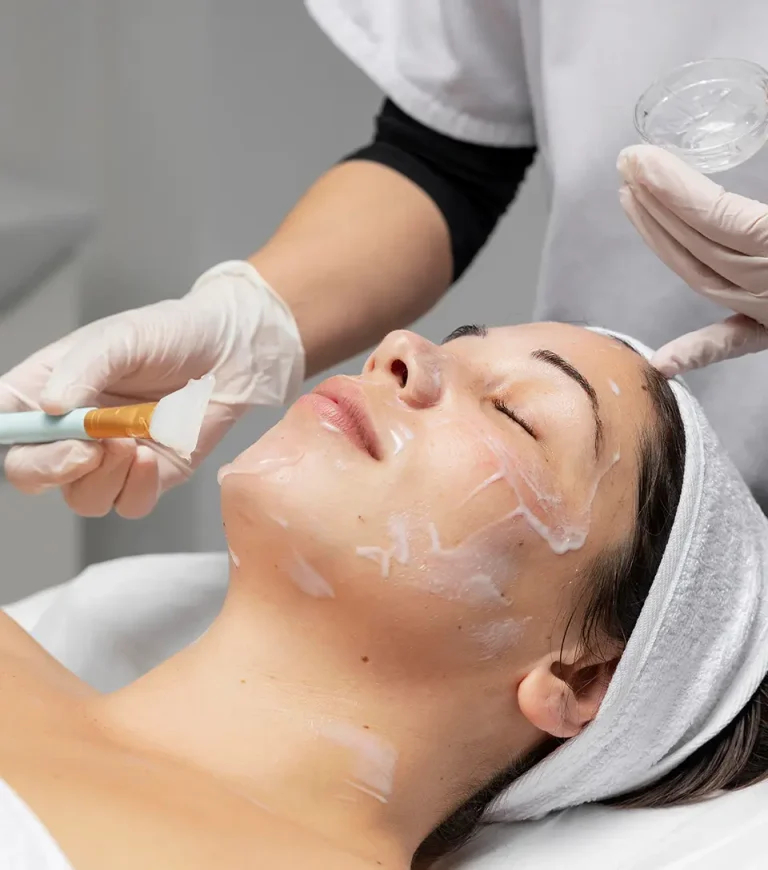
The primary advantage of PRP treatment is its ability to promote natural skin rejuvenation. By boosting collagen and elastin production, it can effectively reduce the appearance of fine lines and wrinkles, leading to a smoother complexion. It can also help to improve skin texture, making it appear more refined and less dull. For individuals dealing with acne scars or other forms of scarring, PRP can aid in the repair of damaged tissue, making scars less noticeable over time. Furthermore, its regenerative properties can contribute to a more even skin tone and a general enhancement of skin vitality. Many find it a complementary treatment alongside other procedures like Chemical Peel Treatment or LED Light Therapy.
Who is a Good Candidate for PRP Treatment?
PRP treatment is suitable for a wide range of individuals looking to address various skin concerns. It is particularly beneficial for those experiencing early signs of aging, such as fine lines and volume loss. People with dull or uneven skin tone, acne scars, or textural irregularities often see significant improvements. Because it uses the patient’s own blood, the risk of allergic reaction is very low, making it a safe option for many. However, as with any medical procedure, a thorough consultation with a qualified practitioner is essential to ensure you are an ideal candidate and to discuss your expectations.
Comparing PRP with Other Skin Rejuvenation Methods
While treatments like Chemical Peel Treatment and HydroFacial offer excellent exfoliation and superficial improvements, PRP treatment delves deeper by stimulating cellular regeneration. LED Light Therapy uses specific wavelengths of light to address issues like acne and inflammation, but it doesn’t directly promote collagen synthesis in the same way PRP does. Custom Facials can be tailored to immediate needs, but PRP’s effect is more about long-term tissue repair. The unique aspect of PRP is its autologous nature, meaning it comes from your own body, minimizing the risk of adverse reactions and offering a natural pathway to enhanced skin health and appearance.
Common questions
What is PRP Treatment?
PRP treatment is a cosmetic procedure that uses a concentration of platelets from your own blood to stimulate skin regeneration and improve its appearance.
How does PRP treatment work?
Blood is drawn, processed to concentrate platelets, and then injected into the skin. The growth factors in these platelets trigger collagen production and cellular repair, leading to smoother, younger-looking skin.
What skin concerns can PRP treatment address?
PRP treatment can help with fine lines, wrinkles, acne scars, skin texture, and overall skin tone, promoting a more youthful and revitalized complexion.
Is PRP treatment safe?
Yes, PRP treatment is generally considered safe because it uses your own blood, significantly reducing the risk of allergic reactions or rejection.
What is the recovery like after PRP treatment?
Recovery is typically minimal, with some possible redness or mild swelling at the injection sites that usually subsides within a day or two.